Pilot Your Vessel Into the Abyss
You've got four minutes to choose: risk going deeper for better specimens, or pull the anchor and get out alive.
Simple Anchor is a survival roguelike where you make split-second calls under constant pressure. You're managing fuel, watching your hull integrity, keeping an eye on anchor tension as you descend through randomly-generated abyssal zones. A full run takes between four and six minutes. You grab whatever creatures you can find, weave around dangers, cut loose and escape—or hold steady and hunt the deep. But here's the catch: everything you've collected disappears if you don't surface.
How It Works
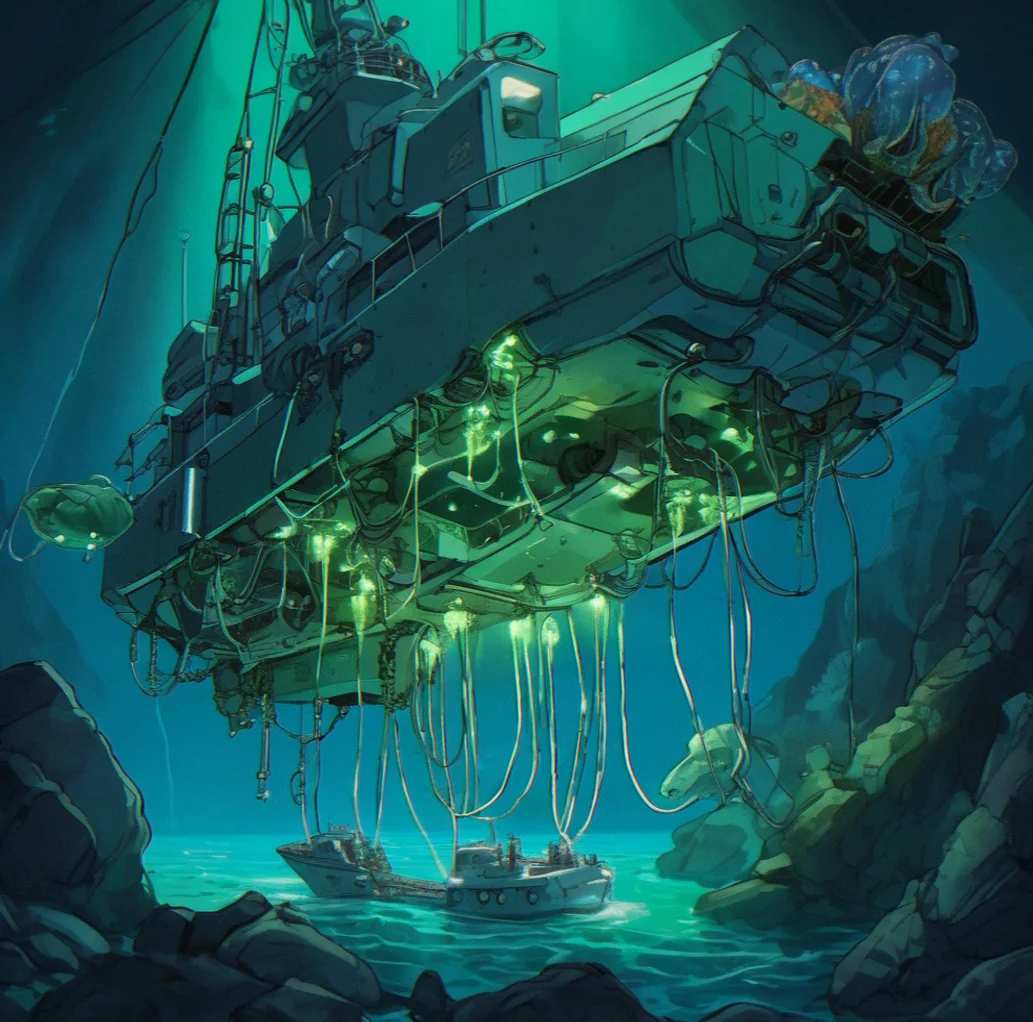
Most runs take between four and six minutes. Anything you grab is gone for good unless you make it back to the surface.
Fuel Management
Your vessel burns fuel the deeper you go. The further down you push, the faster it drains. You need enough left in the tank to climb back up or you won't make it.
Hull Integrity
Hit something, venture into a pressure zone, or run into hazards and your hull takes damage. Enough damage and the whole thing caves in. You can't fix it during a run.
Anchor Tension
Cut the chain and you're out of there fast. Keep it locked to stay put and hunt for better specimens. Pick one. Everything else follows from that.
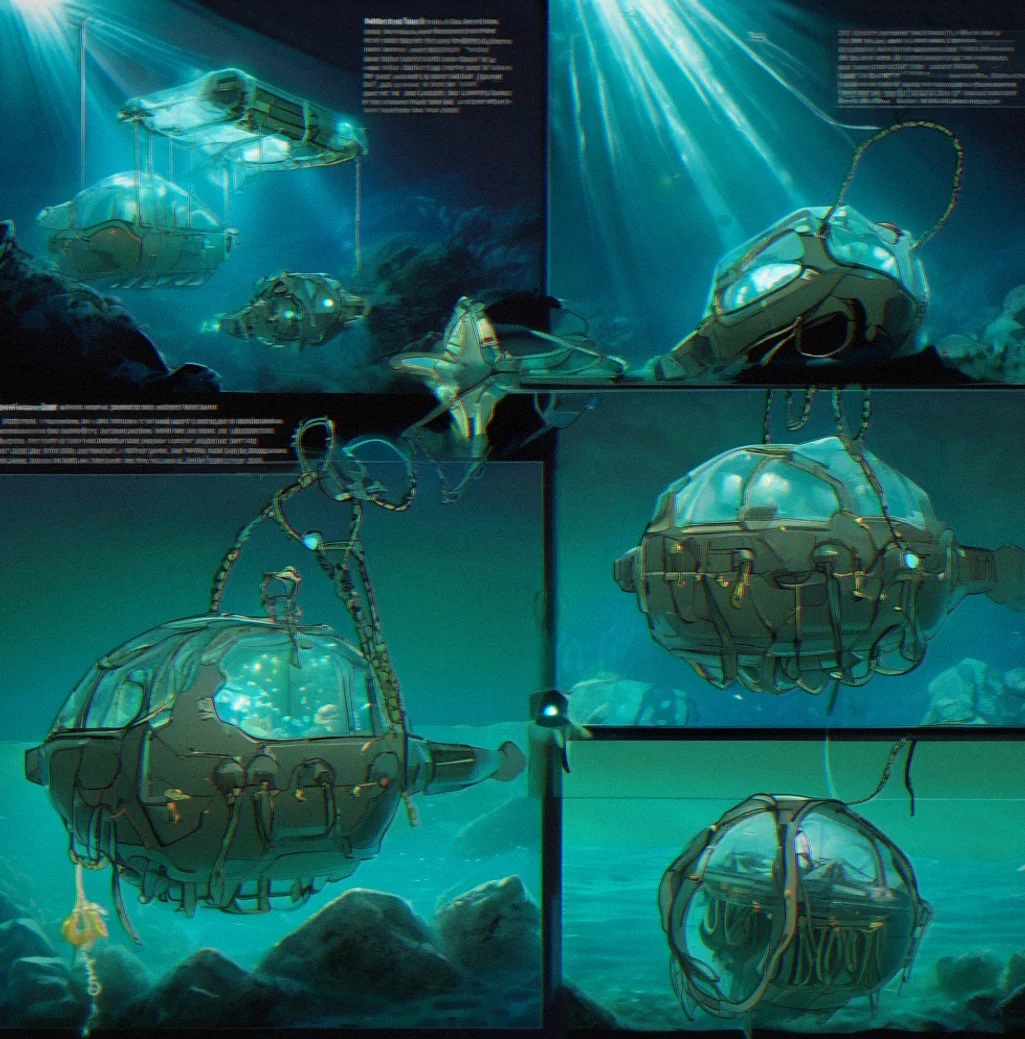
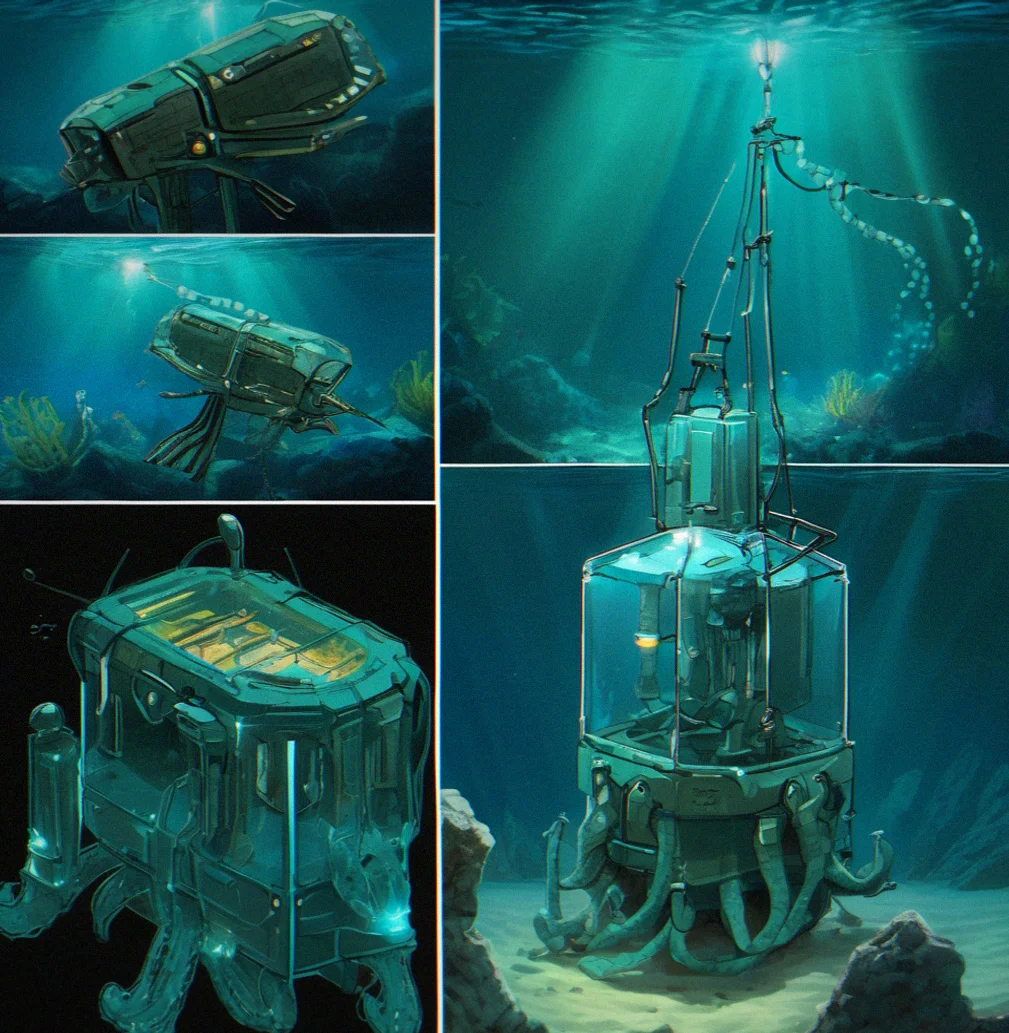
Mission Gallery
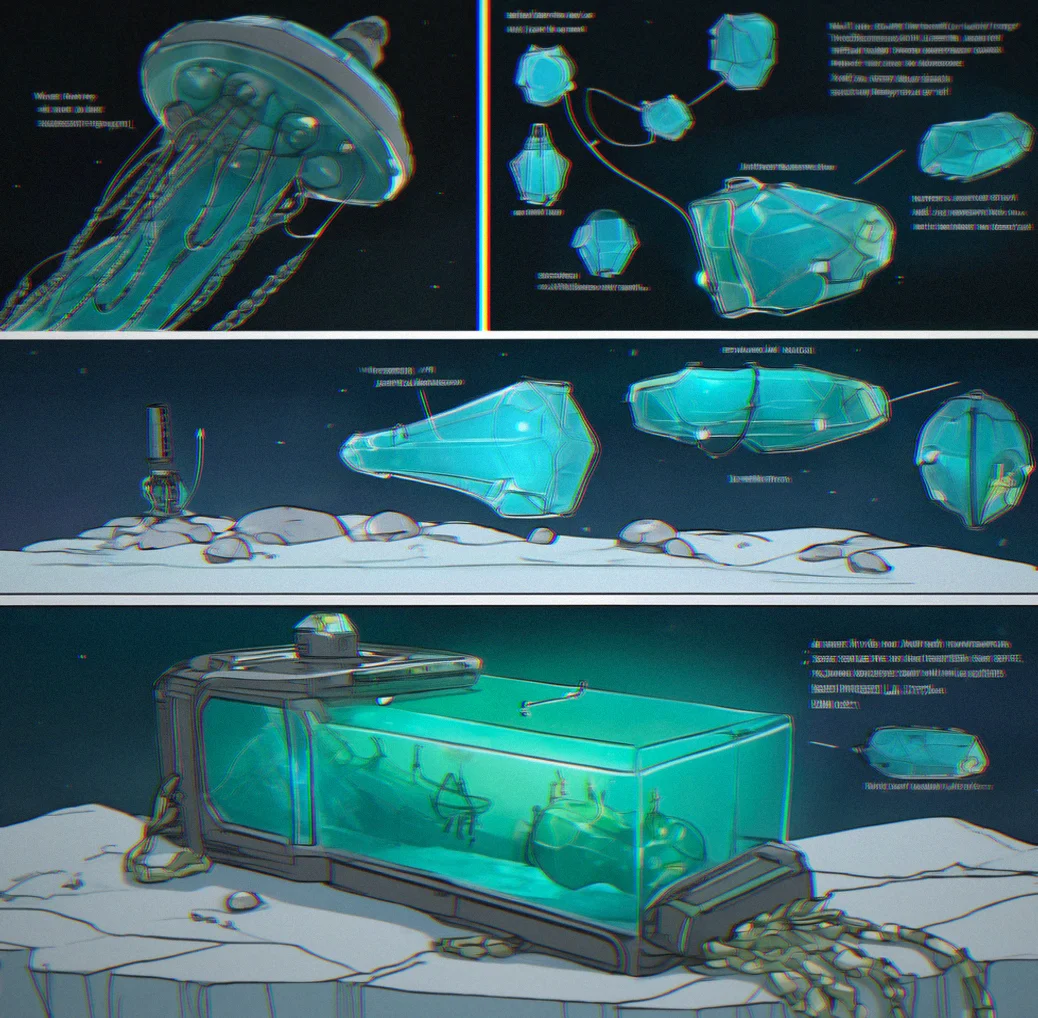
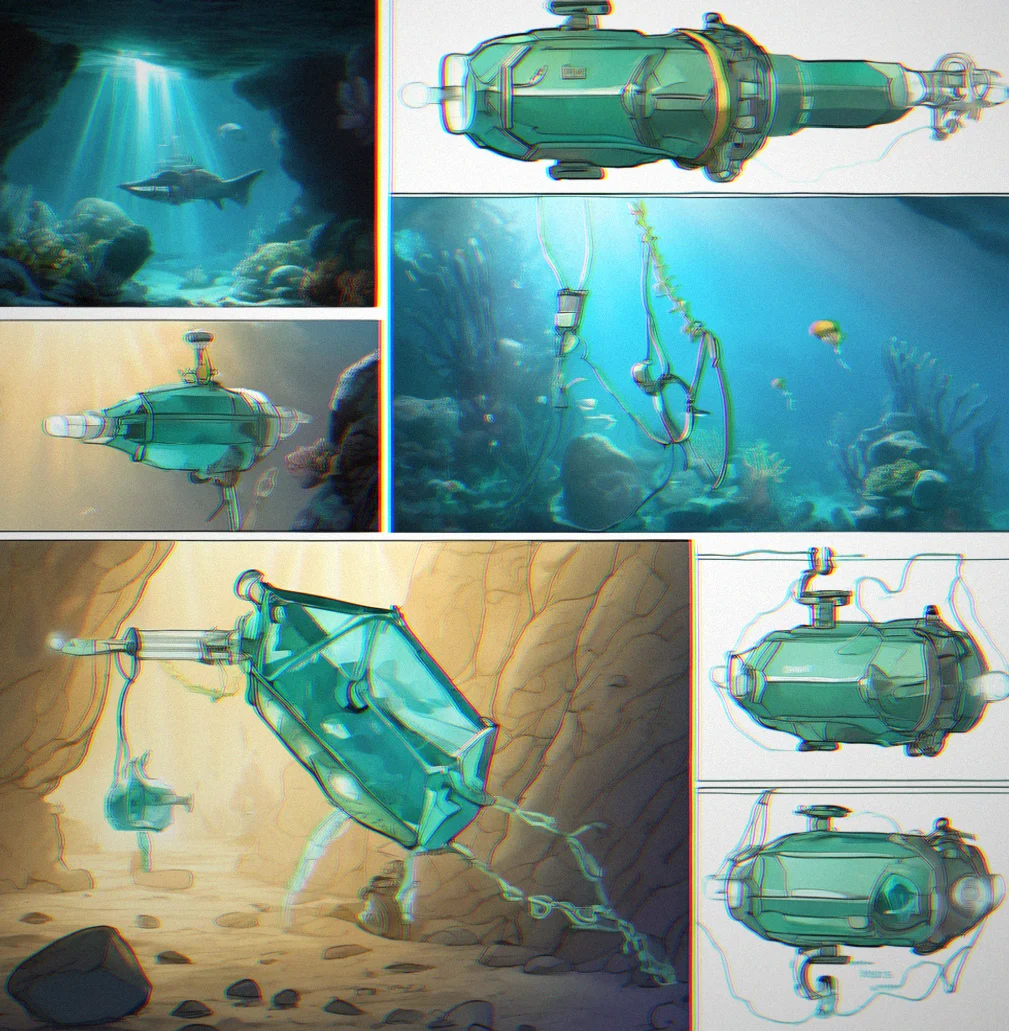
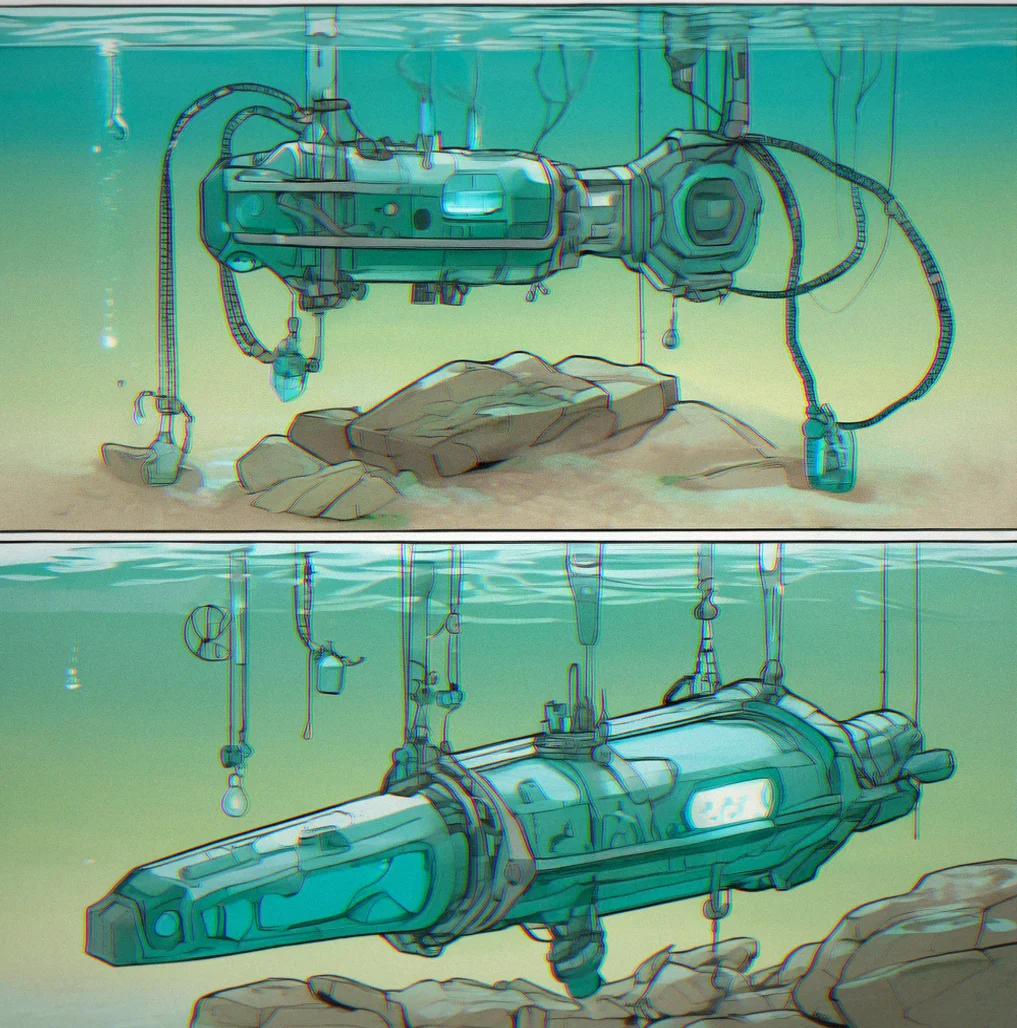
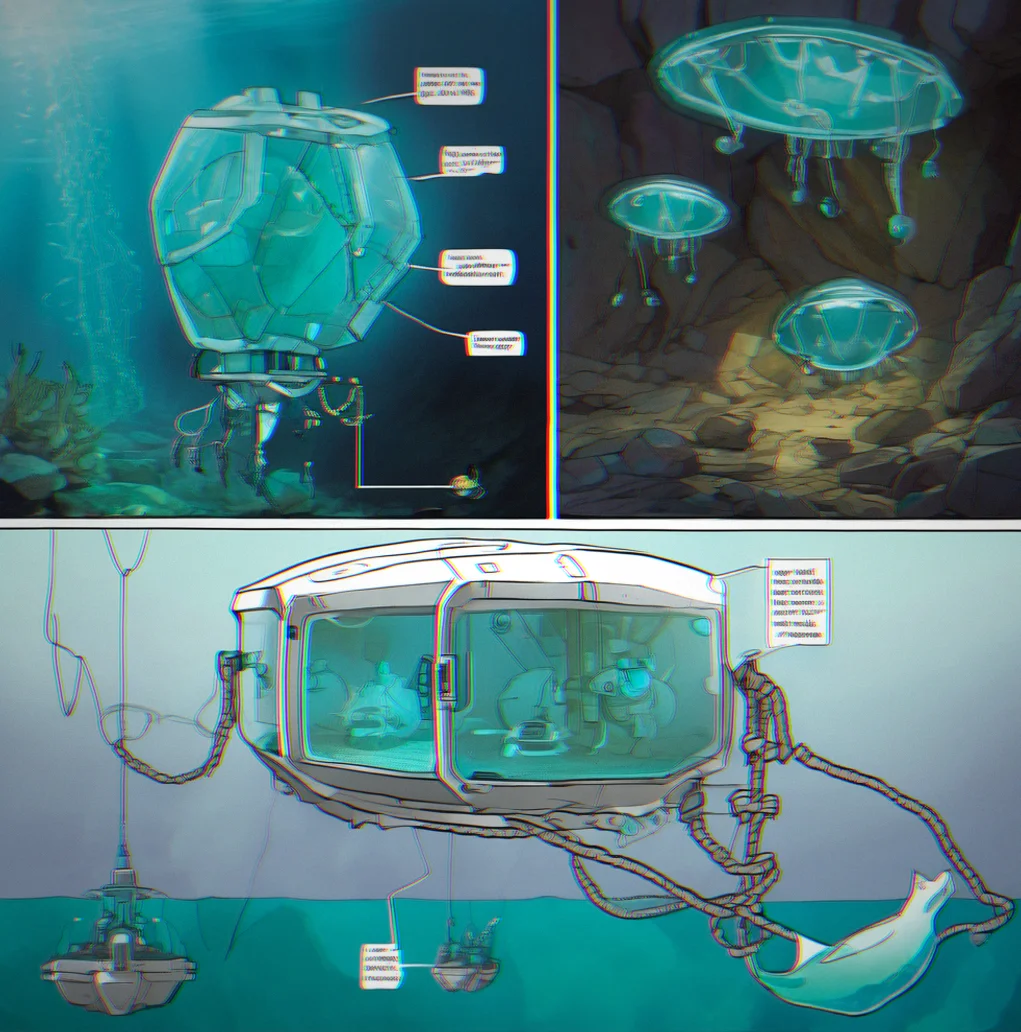
What You Need To Know
Three core systems. Master them or you're done. That's it.
The 4–6 Minute Loop
Drop into procedurally-generated abyssal zones, make split-second tactical calls under time pressure, then get back up before your fuel or hull fails. Every run stands alone. Die down there and you lose everything.
Resource Trade-Offs
Fuel, hull integrity and anchor tension all need your attention at once. Go deeper and you find rarer specimens and data. Stay too long and you're out of fuel. Cut the anchor and you escape right now.
Unlock and Progress
Vessel modules, anchor types, and new descent routes unlock as you gather specimens. Each route gives you pieces of what happened to the research team that vanished.
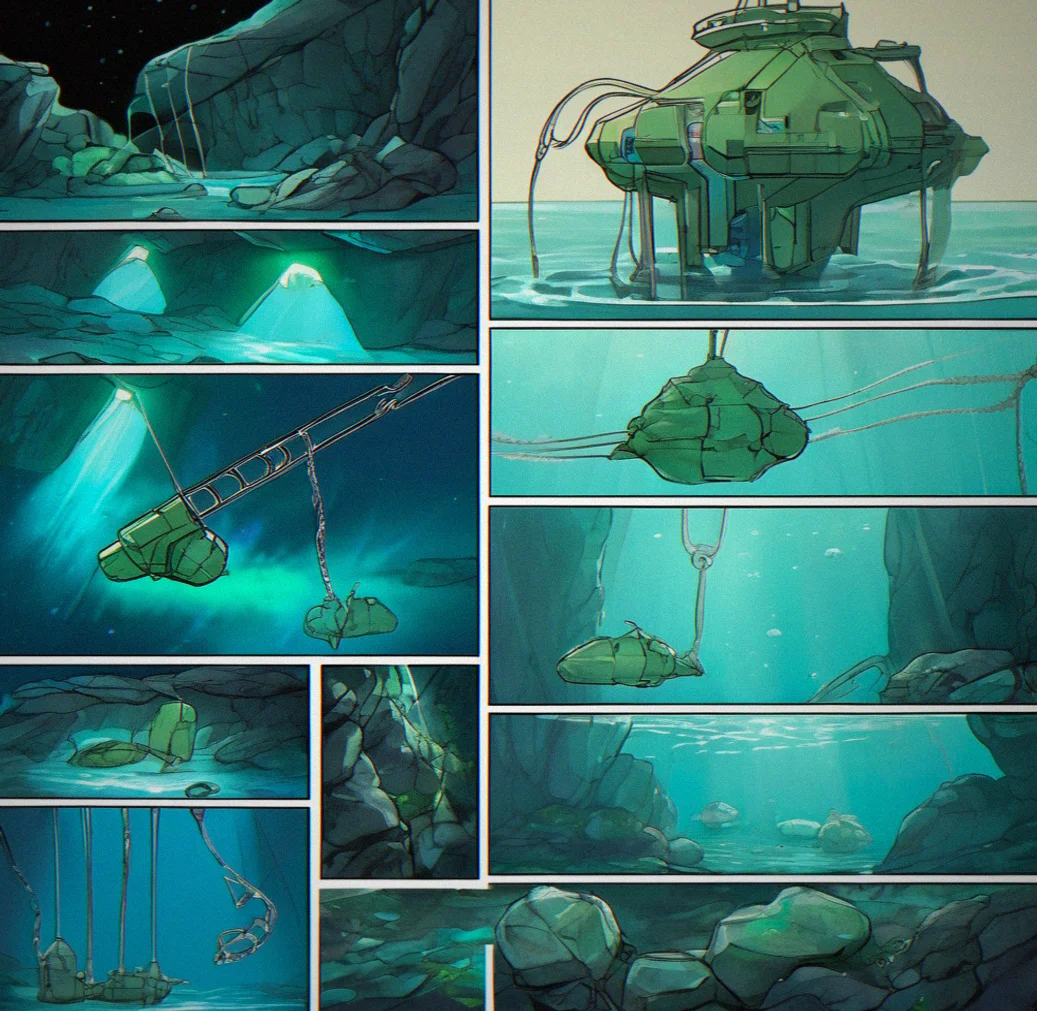
Quick Four-Minute Runs
Down and back up in 4 to 6 minutes. Jump in for one run or grind through ten. Nothing locks you in.
Real Resource Management
Your fuel runs dry. The hull takes damage. Anchor tension climbs. Going deeper always costs you something. Once you make a choice, it sticks.
Procedural Zones
Every descent is different. Hazards shift around. Specimens spawj in new spots. Resource pockets appear wherever the system decides.
Tactical Urgency
A handful of critical calls per run. Go deeper or pull back now. Wait for the rarer haul or grab what you have and get out. The clock is always moving.
Progression Through Unlocks
Hunt specimens and unlock new modules for your vessel. Different anchor types become available. Each unlock opens routes you couldn't take before and reveals more of the story.
Environmental Navigation
No fighting. Slip past hazards. Stay clear of pressure zones. Pick your way around the terrain. It's all about reading the space and moving right.
Ready to go down?
Jump in and see how you handle making tough calls when the pressure's on.
4–6 Minute Runs
Get down and back up in under six minutes. That's it. No grinding, no filler content. Fail to reach the surface and you lose everything.
Three Resource Currencies
Your fuel burns away on the way down. The hull gets dinged up whenever you hit something. Anchor tension keeps climbing the deeper you go. You're juggling all three at once, and if you slip up, you pay for it.
Procedurally Generated
Every zone changes each time you enter it. Hazards show up in different spots. Creatures are scattered randomly. Resources are spread around unpredictably. You can't just memorize your way through.
Unlockable Modules
Grab specimens and you'll unlock new modules for your vessel, different anchor types, fresh descent routes. Each unlock actually opens up new ways to play. Literally new paths you couldn't take before.
Story Fragments
Different routes let you piece together what happened to the research team that went down before you. Go deeper and you find more of the story. It unfolds as you explore, not in cutscenes.
No Combat
It's all about navigation and managing your resources. Avoid hazards. Collect specimens. Make tough chpices about what to do next. Environmental puzzle-solving under time pressure.
Ready to pilot your vessel?
Descend into the abyss. Make rapid decisions. Survive the ascent.
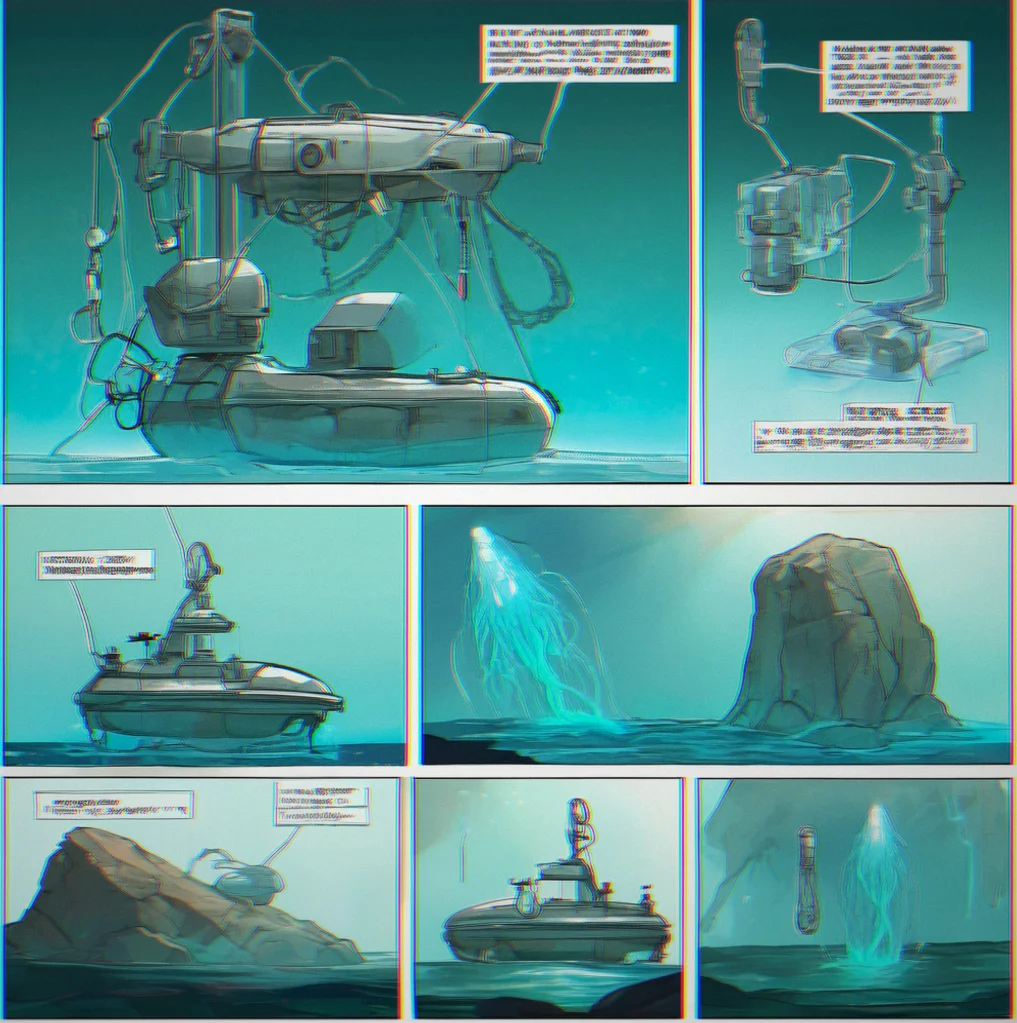
How It Works
Three core systems that define every run. No filler, no hand-holding. Just survival.
The 4–6 Minute Loop
You descend, make a handful of rapid decisions, then ascend or lose everything. That cycle repeats every run. Nothing carries over between attempts—just new zones and new hazards each time.
Three Resources to Balance
Fuel depletes. Your hull cracks under pressure. Anchor tension climbs. You're managing all three at once. Go deeper and you'll burn fuel faster, but the rarer specimens are waiting down there.
Procedurally Different Every Time
Hazards don't spawn in the same places. Specimen distribution shifts. Resource density is never consistent. You can't memorize your way through this. Every zone is different.
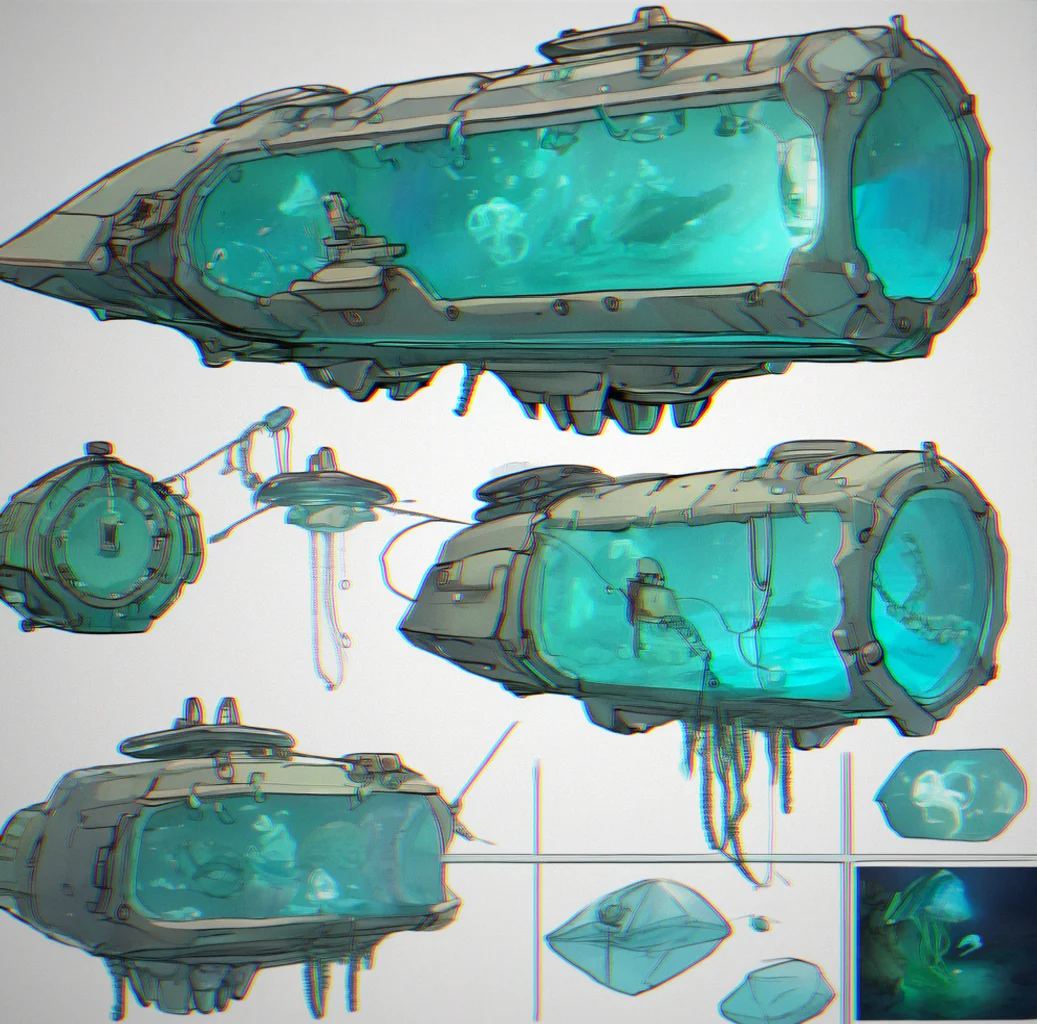
Fast Runs, Real Stakes
You get 4 to 6 minutes to go down and come back up. Fail to surface and you lose everything—all your specimens, all your data. That weight makes every call matter.
Three Resource Meters
Your fuel drains. Hull gets dinged up. Anchor tension builds. You're always choosing between diving deeper for rarer stuff or playing conservative and heading back with what you've got.
Procedural Generation
The abyss changes every time you go down. Hazards pop up in different spots. Specimens aren't where they were last run. Resource placement shifts. You can't just memorize a route and repeat it.
Unlock New Routes and Gear
Catch specimens and you unlock new vessel modules, different anchor types, and alternate descent paths. As you progress, you open up territory you couldn't reach before and piece together what happened to the team that went down.
Navigation, No Combat
Steer around hazards. Gather what you need. Decide what's worth the risk. It's all environmental problem-solving under a clock. Nobody dies in a fight—you either make it back or you don't.
Story Fragments Unlocked
Go dewper and you find new paths. Each one reveals something about what happened to the researchers. The story comes together gradually as you push further into the dark.
Ready to descend?
Take the controls and pilot your vessel into the abyss. Every decision counts.
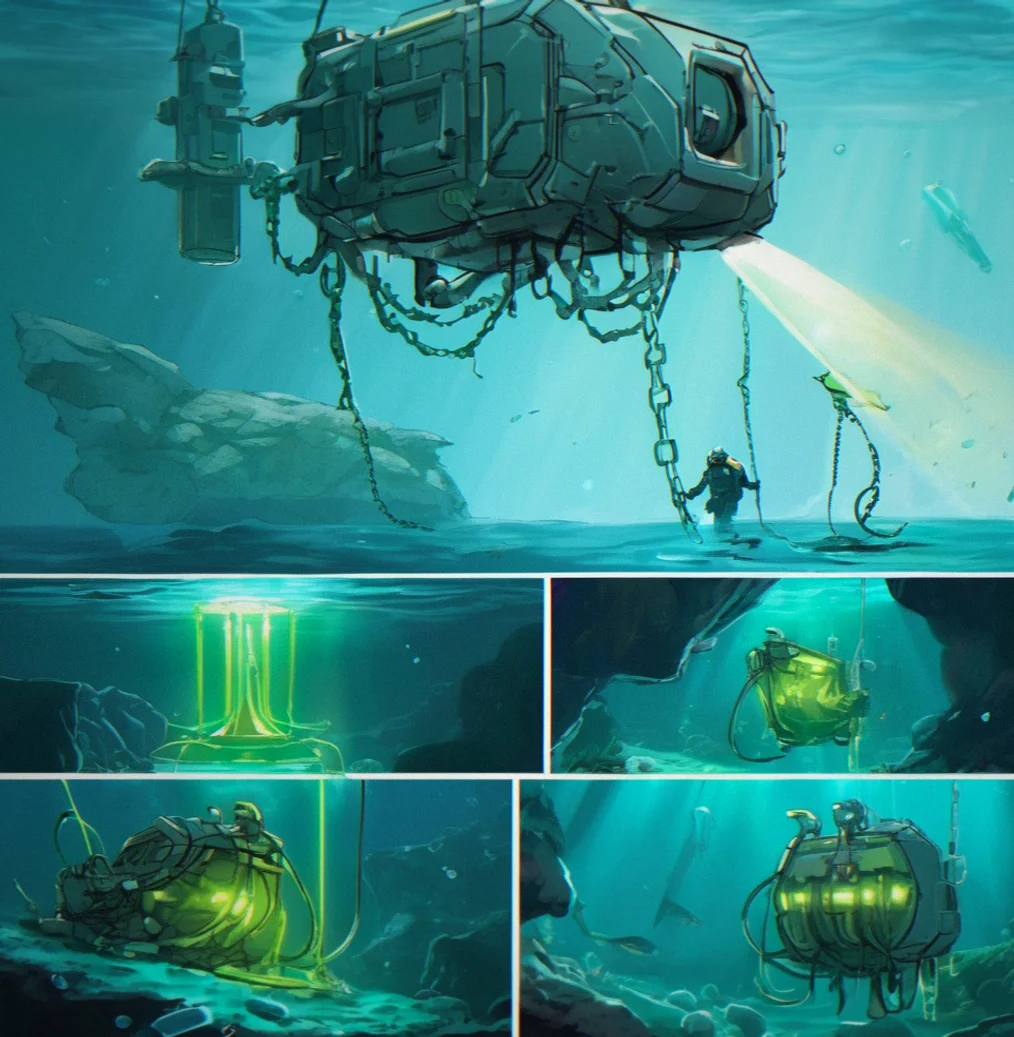
Four-Minute Runs
You go down, make quick decisions, then either make it back up or lose everything. Each attempt takes 4 to 6 minutes, so it feels like a proper roguelike speedrun. No grinding, no empty space between tries.
Three Resource Meters
Your fuel keeps burning down. The hull's taking damage. Anchor tension climbs. Juggle all three at once and you're constantly choosing: do you push deeper to find better specimens, grab what's here and leave, or wait around hoping for something rarer? Each meter pulls in a different direction.
Procedurally Different
Every single descent is randomized. Where the hazards sit shifts. Where you find specimens changes. How dense the resources are varies from run to run. You'll never play the same descent twice.
Unlock and Progress
Collect specimens and you'll unlock new vessel modules, different anchor types and branching paths deeper down. As you Progress, you open up fresh routes and piece together What actually happened to that lost Research team.
Navigation Only
There's no combat here. You navigate around hazards and collect resources instead. It's all about solving environmental puzzles while dealing with real stakes.
Story Fragments Revealed
Venture deeper into new routes and discover what actually went down with that research team. The story comes together as you push further.
Want to pilot your vessel?
Launch a run and face the abyss however you want.
Frequently Asked Questions
Actual questions people ask about Simple Anchor. How it works, what you're getting into, whether it's worth your time.
Get In Touch
- Direct contact — no intermediaries.
- Expect a response within 48 hours.
- Share feedback or report issues.
- Ask about the lost research team.
- Your data stays private.